
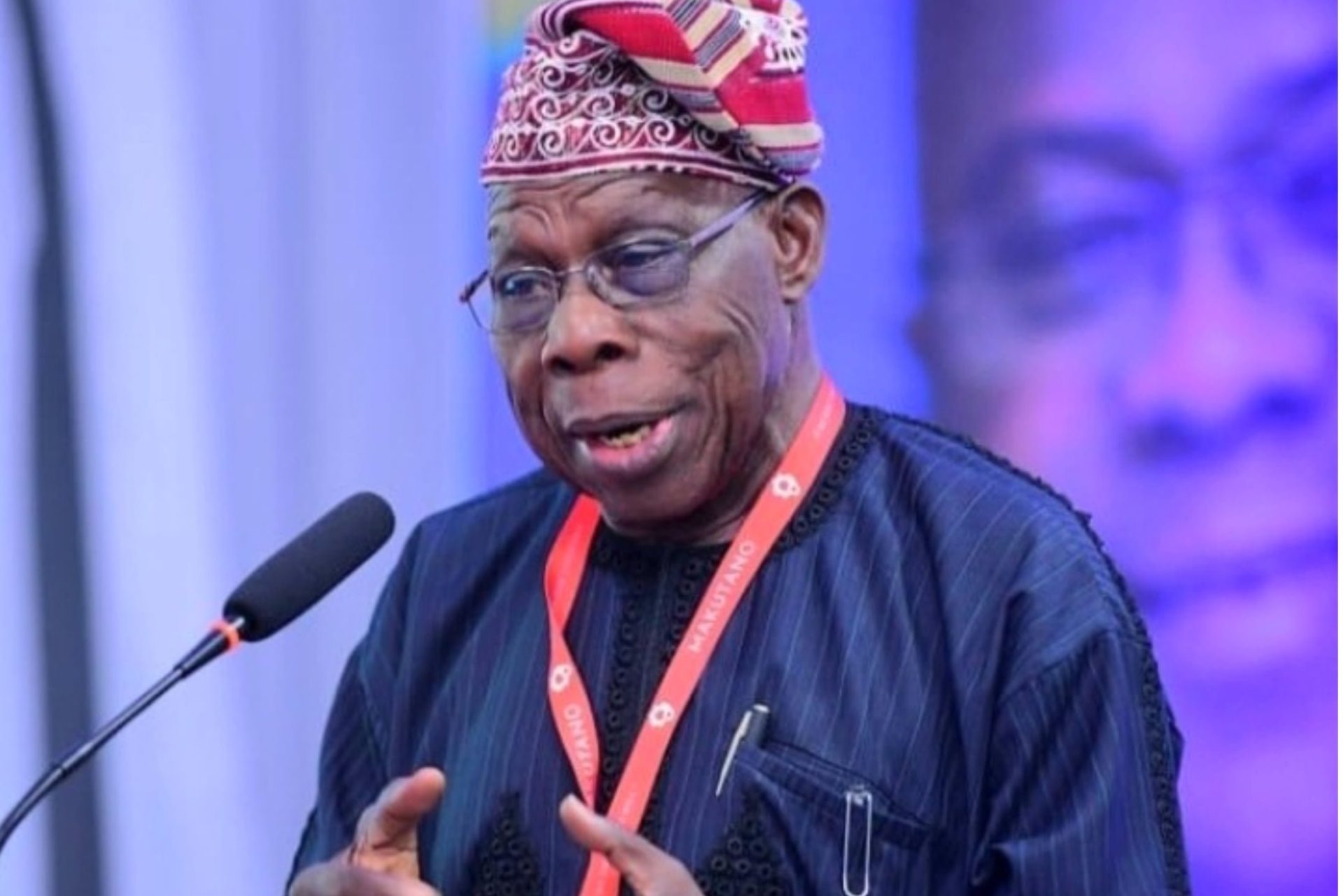
Former President, Olusegun Obasanjo has expressed deep concern that the Boko Haram insurgency has persisted for 15 years with no end in sight, noting that this conflict has now lasted far longer than the Nigerian Civil War, which concluded after 30 months.Nigerian Beauty Products
Obasanjo warned that Nigeria’s continuous struggle with insurgency and banditry will not cease unless the military undergoes specialised foreign training, drastically strengthens intelligence gathering, and deploys modern technology in its operations.
He made the remarks on Sunday while speaking virtually on the Toyin Falola Interviews, which also featured Bishop Matthew Hassan Kukah and former Central Bank Deputy Governor, Dr. Kingsley Moghalu, as panellists.
Speaking, Obasanjo argued that Nigeria’s security forces remain primarily trained for “conventional warfare” rather than the asymmetric, guerrilla-style conflicts currently confronting the country. He outlined four essential requirements for tackling the insurgency effectively.
The first is specialized training. He explained that the military is typically trained for conventional war against static enemies, but for fleeting targets or enemies living among the populace, a different type of training is necessary.
He suggested inviting countries like Colombia, which has handled such conflicts successfully, to train Nigerian personnel, stating there is “no shame in that.” The second item is equipment, noting that the arms, ammunition, and gear needed to fight this type of warfare are different from those used in conventional conflict.
The third requirement is absolute intelligence, which raises the question of whether other nations can trust Nigeria enough to share their intelligence. The fourth is technology.
Obasanjo stressed that these four items have to come together and do other things internally. He also questioned the practice of the military being the body responsible for purchasing its own equipment, calling the entire supply chain an “industry.”
The former president also expressed concern that the 15-year battle against Boko Haram has outlasted even the civil war. “Civil war lasted for 30 months. Although we thought it would last for six months. But this fight against insurgents and criminals has lasted for almost 15 years.”
The former military head of state recounted his 2011 visit to Maiduguri, where he sought to understand Boko Haram’s origins, grievances, and leadership. He explained that before leaving, he refused a government aircraft to avoid being seen as a government agent.
Upon arrival, he found them to be an organized group, noting their leader, Mohammed Yusuf, was initially regarded as a decent man.
He said the insurgents initially refused to engage in negotiations with the federal government. When they later agreed to talks, they insisted it could not happen anywhere in Africa, a condition Obasanjo rejected, insisting the problem must be solved locally.
“I eventually reported everything to the government, but nothing was done,” he recalled. When he appealed to them to observe a 21-day ceasefire to allow the government time to organize contact, the government never followed up with them.
