
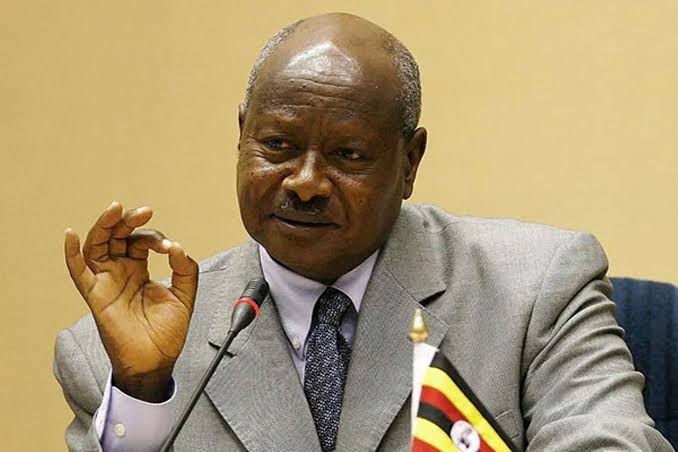
Uganda ordered a nationwide internet blackout on Tuesday, January 13, two days before a general election in which President Yoweri Museveni is seeking to extend his nearly 40-year rule. The directive was issued through a formal notice from the Uganda Communications Commission (UCC) to internet providers, which said the shutdown was necessary to “mitigate the rapid spread of online misinformation, disinformation, electoral fraud and related risks, as well as preventing of incitement to violence that could affect public confidence and national security during the election period.” The letter was verified to AFP by government officials.
There was no public statement from the government confirming the shutdown, and officials told AFP that authorities did not want to “own” the decision. The blackout was scheduled to begin at 6:00 pm local time (1600 GMT) and remain in force “until a restoration notice is issued,” with essential state services exempted.
Uganda last switched off the internet during the 2021 election, a vote marked by accusations of rigging and heavy state repression against the opposition. Bobi Wine, the singer-turned-politician who challenged Museveni in that election, is running again.
The government had repeatedly denied it would shut down the internet this year, describing rumours of a planned blackout as “false” and intended to spread fear. Despite those assurances, the suspension order was issued less than 48 hours before polls open.
Meanwhile, Ugandan President Yoweri Museveni has formally announced he will seek re-election in the upcoming 2026 presidential election after 40 years in power.
Museveni, 81, first came to power in 1986 following a guerrilla war and has remained in office ever since, making him one of Africa’s longest-serving leaders.
His bid for a seventh term was cleared by Uganda’s Electoral Commission, allowing him to stand again in elections scheduled for January 15, 2026.
Museveni initially rose to power on a wave of optimism after leading armed insurgencies against autocratic governments.
Over time, however, that early goodwill has been eroded by persistent allegations of corruption, shrinking civic space, and increasingly authoritarian rule.
“Corruption has been central to his rule from the beginning,” Kristof Titeca, a professor at the University of Antwerp, told Reuters.
The president’s re-election campaign has been marked by both support and controversy. Backers point to decades of stability, infrastructure development, and economic growth, while critics led by opposition figures such as pop star-turned-politician Bobi Wine, warn of authoritarianism, corruption, and human rights concerns.
Analysts say Museveni’s victory is almost certain, but uncertainty looms over what comes next, as the president shows signs of physical frailty.
“The big question looming over the election is the question of succession,” Titeca said, pointing to the rapid rise of Museveni’s son, Muhoozi Kainerugaba, Uganda’s military chief.
The opposition has accused Museveni of fast-tracking Kainerugaba’s career to prepare him for succession, while veteran politicians who once fought alongside Museveni have been sidelined.
Former newspaper editor Charles Onyango-Obbo said the election outcome could shape Museveni’s next political moves.
“This is less about the results that will be announced, and more about the mood on the ground,” Onyango-Obbo said, adding that a handover could still be years away.
“Museveni is more frail now, but he is a workaholic… he will not leave even if he needs to use a walking stick,” he said.
